Fed Rate Hike Chances Hit 53% After Jobs Report | Kalshi Promo Code
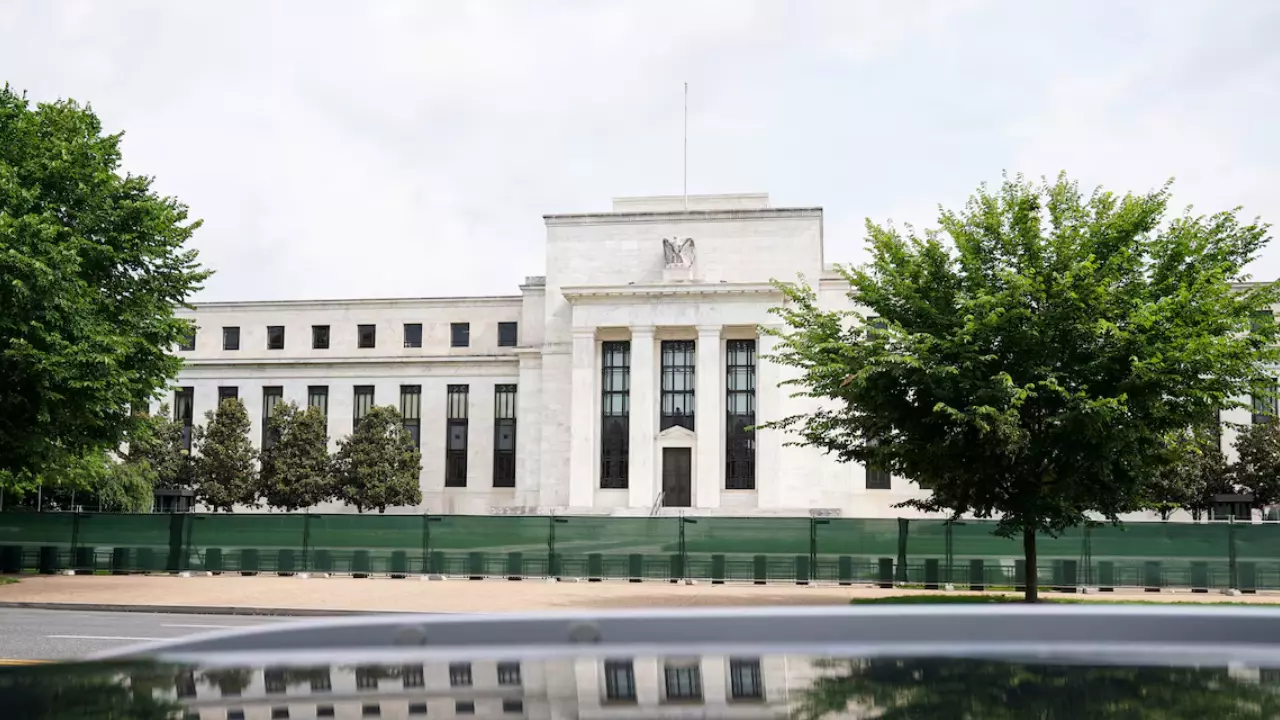
Kalshi promo code WINNERS is available as traders now give the Federal Reserve a 53% chance of raising interest rates by 25 basis points at its September meeting.
The September Fed decision has moved close to a coin flip after Friday's stronger-than-expected U.S. jobs report. Kalshi currently prices a 25-basis-point hike at 53%, while the probability that the Fed leaves rates unchanged sits at 48%.

More than $39 million has already traded across the September decision market, and the next major catalyst arrives Friday with the August Consumer Price Index report.
Eligible new U.S. users can use Kalshi promo code WINNERS when signing up. The current referral reward and qualifying requirements can vary by account and promotion, so users should review the terms displayed during signup or in the Kalshi Rewards section.
Get Free $30 Credit for Premium Picks + Exclusive Discounts
Subscribe Now
Kalshi Promo Code WINNERS: Fed Hike Chances Reach 53%
Kalshi traders currently make a quarter-point rate increase the most likely individual outcome of the Federal Reserve's September meeting.
The 25-basis-point hike is priced at 53%.
No change is close behind at 48%.
A larger increase of more than 25 basis points is priced at only 1%, leaving the market focused almost entirely on whether policymakers make one standard quarter-point move or stay where they are.
The Federal Reserve's current target range is 3.50% to 3.75%.
A quarter-point increase would push that range to 3.75% to 4.00%.
The Federal Open Market Committee meets September 15 and 16, with the policy decision due September 16.
The market is unusually balanced for a decision only a little more than a week away.
That reflects the two competing pieces of the current economic picture.
The labor market gave the Fed another reason to remain concerned about inflation.
Incoming inflation data could still give policymakers a reason to wait.
Strong August Jobs Report Changed the September Fed Odds
Friday's employment report moved the rate debate back toward a possible hike.
U.S. employers added 162,000 jobs in August, beating economists' expectations, while the unemployment rate held at 4.1%.
The report suggested the labor market remains resilient enough to absorb tighter monetary policy.
It also caused several major forecasters to reconsider their Fed outlook.
UBS moved from expecting no rate changes in 2026 to forecasting two quarter-point increases, one in September and another in December.
Other financial-market measures also moved toward a September hike after the report.
The stronger labor data matters because the Fed does not appear to be facing the kind of employment deterioration that would make higher rates especially difficult to justify.
But employment is only half of the problem policymakers are trying to solve.
Inflation remains above the Fed's 2% goal, and energy prices and other supply pressures have kept the risk of renewed price growth alive.
Fed Chair Kevin Warsh has emphasized those inflation risks in recent weeks.
That has helped turn September into a genuine decision rather than an automatic hold.
Friday's CPI Report Is the Next Major Fed Market Catalyst
The September decision is not settled.
The next major piece of evidence arrives Friday with the August CPI report.
That release could move Kalshi's 53% probability considerably in either direction.
A hotter-than-expected inflation reading would give policymakers more reason to raise rates and could push the quarter-point contract comfortably above its current near-coin-flip position.
A softer inflation report would strengthen the argument for another pause.
Fed Governor Christopher Waller has already outlined that case.
Waller said last week that he would be open to leaving rates unchanged in September if inflation continues to cool.
His argument is essentially that the Fed should allow the existing level of interest rates more time to work rather than tightening again before knowing whether recent inflation pressures are persistent.
That leaves traders watching two different signals.
The jobs report says the economy remains strong.
Friday's inflation report will help determine whether that strength is also producing enough price pressure to warrant another increase.
That is why the 53% number matters.
The market is not pricing a Fed hike as inevitable.
It is pricing September as a decision that could still turn on one important data release.
What Could Move the Fed's 53% Rate Hike Probability?
Inflation is the obvious first variable.
A significant CPI surprise could move the September market quickly because there is little separation between a 25-basis-point hike and no change.
Fed communication will matter as well.
Any new signal from policymakers that inflation risks are becoming more concerning could reinforce the case for a hike.
Comments emphasizing slowing price growth or the cumulative impact of previous tightening could pull traders back toward a hold.
Energy prices are another part of the equation.
Oil prices have climbed amid renewed geopolitical tensions, adding another potential source of inflation pressure just as the Fed approaches its meeting.
For now, Kalshi traders have moved slightly to the hawkish side of the debate.
A September hike is at 53%.
No change is at 48%.
The stronger jobs report pushed the market in that direction.
Friday's inflation report gets the next chance to move it.
Prediction-market prices can change in real time. Percentages cited reflect Kalshi market prices available at the time of writing. Trading involves risk. Referral incentives are subject to eligibility requirements and current promotional terms.