OpenAI IPO Odds at 10% as Altman Rules Out 2026 Listing | Kalshi Promo Code
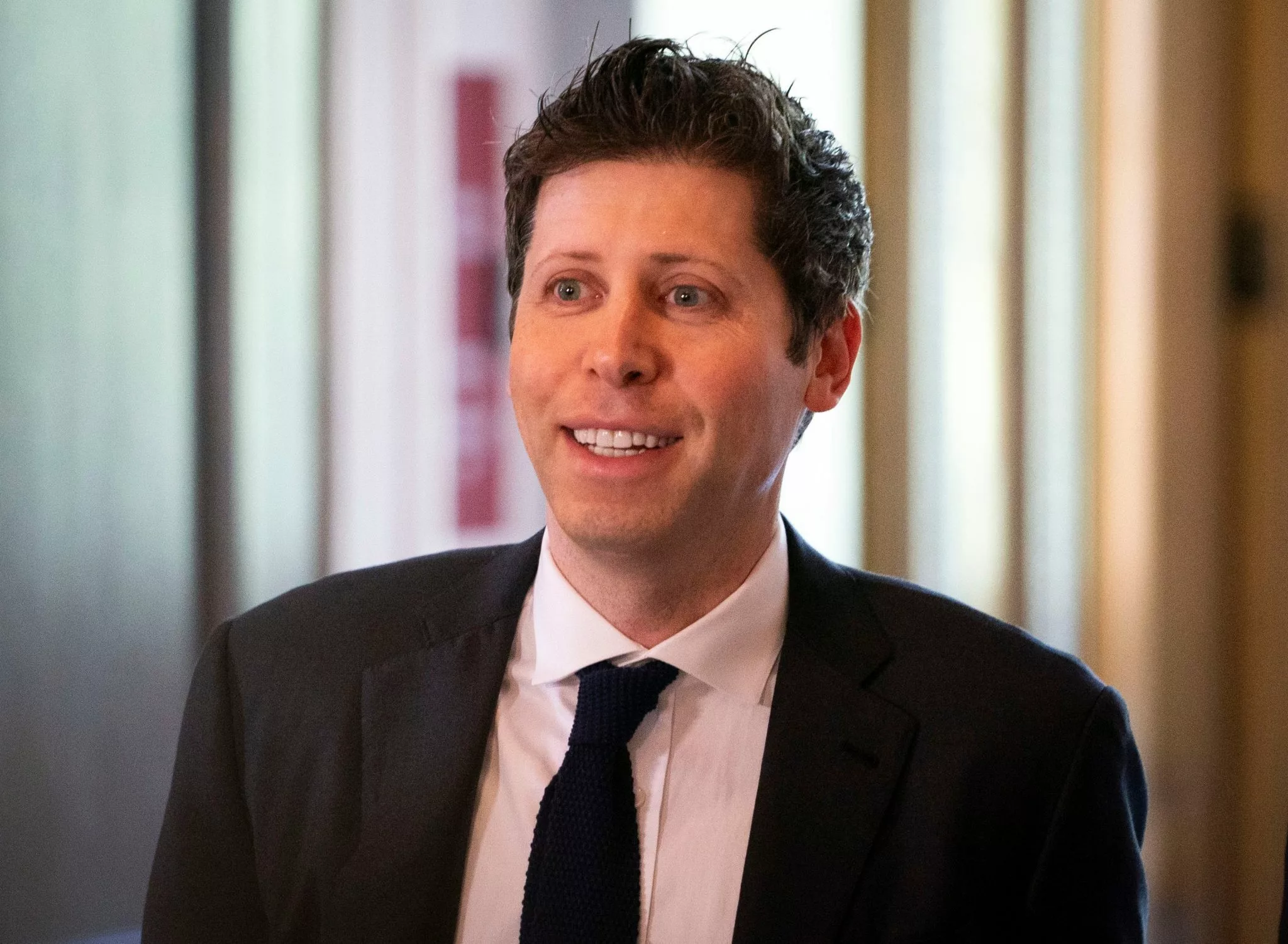
OpenAI's path to the public markets has changed dramatically, and Kalshi traders have repriced the company's 2026 IPO chances accordingly.
Kalshi currently gives OpenAI only about a 10% chance to officially announce IPO plans before the end of 2026, just months after that probability stood near 88%.

The latest catalyst arrived when OpenAI CEO Sam Altman said the company will not go public this year as concerns over the pace and safety of artificial intelligence continue to grow.
For traders following technology prediction markets, the OpenAI reversal is one of the clearest examples of how quickly expectations around a major corporate event can change.
Get Free $30 Credit for Premium Picks + Exclusive Discounts
Subscribe Now
See the OpenAI 2026 IPO announcement market on Kalshi.
OpenAI IPO Odds Sit Near 10% on Kalshi
Kalshi's market asks whether OpenAI will officially announce an IPO during 2026.
The current probability is approximately 10%.
That represents a remarkable reversal from earlier this year.
In May, Kalshi traders were assigning OpenAI an 88% chance of making an IPO announcement before the end of 2026.
At the time, reports that OpenAI was preparing confidential IPO paperwork had pushed traders toward the idea that a public offering could arrive relatively quickly.
That expectation has now been largely unwound.
The broader Kalshi IPO market has attracted more than $2.3 million in trading volume, giving the current OpenAI price more weight than a lightly traded novelty contract.
Sam Altman Rules Out an OpenAI IPO in 2026
Altman's comments significantly change the immediate timeline.
The OpenAI chief said the company will not complete an IPO in 2026, arguing that concerns surrounding rapidly advancing AI systems make this the wrong moment to enter the public markets.
The announcement came as Altman joined Anthropic CEO Dario Amodei and Elon Musk in supporting calls for the AI industry to slow development and devote more attention to safety.
Altman has described the potential risks from increasingly capable AI systems as serious enough to justify decisions that may conflict with short-term business goals.
Going public would create a new set of shareholder expectations and quarterly financial pressures.
Remaining private gives OpenAI more flexibility to slow development, increase safety spending or make other decisions that might be more difficult to defend in the public markets.
The Kalshi Contract Is About an Announcement, Not the Actual IPO
There is an important distinction in the current market.
Kalshi is not simply asking whether OpenAI shares will begin trading publicly before December 31.
The contract asks whether OpenAI will officially announce an IPO during 2026.
That means the probability does not have to fall all the way to zero simply because Altman has ruled out completing a listing this year.
OpenAI could theoretically announce plans for a 2027 IPO before the end of December.
That possibility helps explain why the current contract still trades around 10%.
Kalshi's separate market on the timing of an OpenAI IPO announcement gives the company roughly a 42% chance of announcing plans before March 1, 2027.
In other words, traders have largely abandoned the idea of a 2026 announcement while leaving open the possibility that the process resumes early next year.
OpenAI Has Fallen From 88% to About 10%
The longer-term move is what makes this market particularly notable.
Earlier in 2026, OpenAI appeared to be accelerating toward the public markets.
Kalshi's May market coverage put the probability of a 2026 IPO announcement at 88%.
Traders also overwhelmingly favored OpenAI to reach the public markets before rival Anthropic.
That entire narrative has now changed.
OpenAI's 2026 announcement probability is around 10%, while Anthropic is currently priced at roughly 87% to announce an IPO this year in the same Kalshi market.
That is a dramatic reversal in the perceived IPO race between the two largest private AI labs.
Anthropic Has Become the IPO Favorite
Anthropic now occupies the position OpenAI held earlier this year.
Kalshi traders are assigning Anthropic approximately an 87% chance of announcing an IPO during 2026.
OpenAI sits near 10%.
The difference reflects more than day-to-day market noise.
Anthropic has continued moving through the IPO process while OpenAI's leadership is explicitly signaling a willingness to delay major corporate milestones because of AI-safety concerns.
The two companies are therefore heading in very different directions from a public-markets perspective.
That contrast gives traders a direct way to express a view on which AI company is more likely to reach the next stage of its corporate development first.
AI Safety Concerns Are Moving More Than IPO Markets
The fallout from the industry's safety debate is not limited to Kalshi.
Technology stocks came under pressure Monday after top AI executives called for slowing the pace of development.
Chipmakers and other companies closely tied to AI infrastructure sold off as investors considered the possibility that a slower development cycle could reduce expected spending on chips, data centers and other infrastructure.
OpenAI's IPO delay adds another layer to that uncertainty.
The company had been viewed as one of the most important potential technology listings in years.
Pushing that event into 2027 or later removes a major anticipated catalyst from the 2026 IPO calendar.
Why OpenAI Could Still Announce an IPO Before 2027
A 10% probability is low, but it is not zero.
There are several ways the market could move higher again.
OpenAI could announce a future listing without actually completing the IPO this year.
Safety concerns could ease.
Market conditions could improve.
The company could also determine that beginning the formal IPO process does not prevent management from maintaining control over safety-related decisions.
But the burden of proof has changed.
Earlier this year, traders expected an announcement unless something disrupted the process.
Now they largely expect no announcement unless OpenAI provides a new catalyst.
That is a significant change in market structure.
Kalshi Promo Code WINNERS
Eligible new users can enter Kalshi promo code WINNERS when creating an account.
The current Winners & Whiners Kalshi offer is Trade $25, Get $25 for qualifying new users.
Eligibility, geographic restrictions, account-verification requirements and promotional terms apply.
Users should review the current terms presented during registration before funding an account or making a qualifying trade.
How the OpenAI IPO Market Works
Kalshi event contracts trade between $0 and $1.
A contract trading around 10 cents implies approximately a 10% market probability for that outcome.
If the qualifying event occurs, a winning Yes contract settles at $1.
If it does not occur, that contract settles at $0.
The price can change continuously as traders respond to new reporting, company announcements and broader market conditions.
That means OpenAI's current 10% probability is not a permanent forecast.
A new statement from Altman, a regulatory filing or another major corporate development could move the contract quickly.
OpenAI IPO Odds: The Bottom Line
Few major prediction markets have experienced a reversal as dramatic as OpenAI's 2026 IPO outlook.
Kalshi traders gave the company an 88% chance of announcing an IPO in 2026 in May.
That probability is now approximately 10%.
Altman's decision to rule out a public listing this year reinforces a shift that was already underway.
At the same time, rival Anthropic has moved into the opposite position and now carries roughly an 87% probability of announcing an IPO this year.
The current market message is clear:
Traders no longer expect OpenAI's path to Wall Street to begin in 2026.
The next question is whether that process restarts early in 2027 or whether the company's growing focus on AI safety pushes the timeline back even further.
Prediction-market prices change continuously. Probabilities cited reflect available pricing at the time of writing. Promotional eligibility and terms can change. Event contracts involve financial risk and may lose their full purchase value.